
The short answer: it depends on the cause
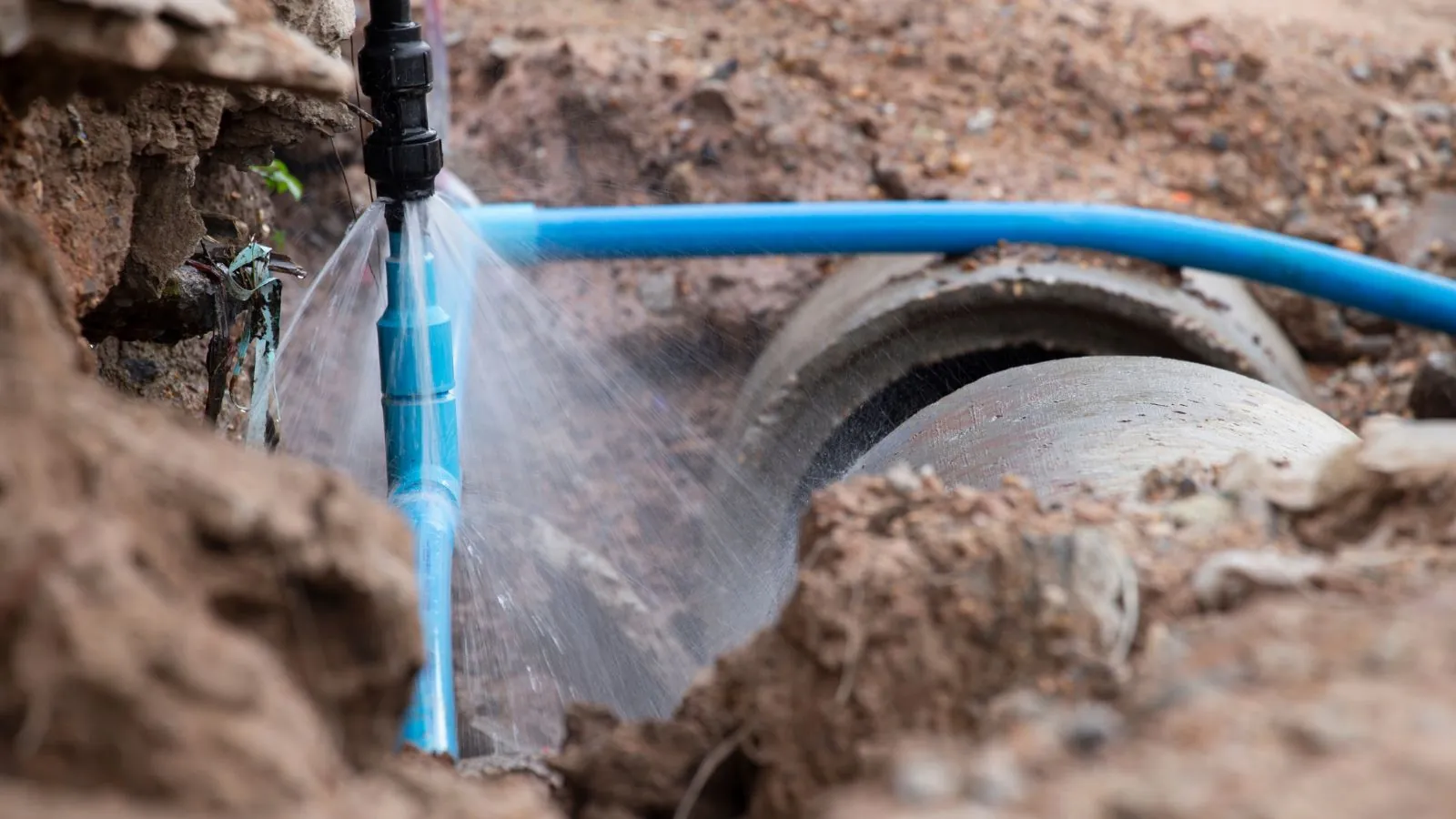
Most standard homeowners policies cover water damage that is sudden and accidental, such as a pipe that bursts or a water heater that fails. They often exclude damage from gradual leaks, neglect and flood. Your own policy wording decides, so treat this page as general information and not as a coverage decision.
Insurers also look at what you did after the loss. Policies commonly expect you to protect the property from further damage, which is why quick extraction and drying matter. Keep receipts for emergency work and photograph the damage before anything is moved.
How common causes are usually treated
| Cause | Often covered? | What to check |
|---|---|---|
| Burst or frozen pipe | Often, when sudden | Rules for vacant or unheated homes. |
| Water heater failure | Often, when sudden | Whether the heater itself is excluded. |
| Washer or dishwasher hose | Often, when sudden | Damage to the appliance versus the floor. |
| Slow leak behind a wall | Often not, when gradual | Exclusions for repeated seepage. |
| Sewer or drain backup | Often excluded | A water backup endorsement. |
| Storm surge or rising water | Usually excluded | A separate flood policy. |
| Rain through a damaged roof | May be covered | Whether wind or hail opened the roof first. |
Use the table as a map of questions, not as answers. Two policies from the same insurer can differ because of endorsements and deductibles. Call your agent and ask about your specific cause of loss before you assume anything.
Why the line between sudden and gradual matters
A supply line that snaps at 2 a.m. can fill a room in hours, and an adjuster treats it as an accident. A trap that drips for months leaves staining, rot and mold, and an adjuster may call it a maintenance issue. Both end with wet floors, but the claim outcomes can differ.
Do not assume that a stain means a slow leak. Moisture readings, photos and a plumber's report can show how and when a failure happened. We record readings when we dry a structure, and you can pass them to your insurer.
Flood is usually a separate policy
Standard homeowners coverage generally does not pay for flood, meaning rising water from storm surge, heavy runoff or a high tide. Flood insurance is sold separately, through the National Flood Insurance Program or private insurers, and it often has a waiting period before it starts. Buying after a storm warning is usually too late.
If a flood has already happened, our flood damage restoration crews can pump out and dry the structure while you sort out the claim. Floodwater is treated as contaminated, so do not try to clean it up yourself.
Have water damage right now?
Skip the reading and call. Dispatch answers 24/7.
Steps to take right after a loss
- Stop the source if you can, and make the home safe by keeping power off in wet areas.
- Photograph and record video of the damage before anything is moved.
- Call your insurer to open a claim and ask what they require.
- Start emergency drying, since policies often expect you to limit further damage.
- Keep damaged items until the adjuster has seen them or approved disposal.
- Ask for a written scope of work and moisture readings from your restoration company.
Steps four and six work together. Fast water extraction limits the damage, and a written scope helps the adjuster see what was needed. If a pipe is the cause, read how we handle burst pipe water damage so you know what to expect.
Questions worth asking your insurer
- What is my deductible for water damage, and is it different for wind or flood?
- Do I have water backup coverage for sewers and sump pumps?
- Does my policy pay for tear-out of walls or floors to reach a leak?
- What counts as gradual damage under my policy?
- Does coverage change if the house is vacant or unheated?
- Who decides whether materials are dried or replaced?
How an adjuster looks at your loss
An adjuster tries to answer three questions. What caused the water, when did it start and what has been damaged. Photos, plumber notes and moisture readings help answer all three. Missing records make the adjuster rely on assumptions.
Expect the adjuster to look at the source of the water, the age of the failed part and the condition of nearby materials. A rusted fitting with green staining suggests an old problem, while a clean break suggests a sudden failure. Do not clean away the evidence before the adjuster has seen it or approved disposal.
Documenting a loss so the claim moves smoothly
- Keep the failed part, such as a split hose or a cracked fitting, in a bag.
- Take photos from several angles, with a wide shot of each room and close-ups of damage.
- Write down the time you noticed the water and what you did next.
- List damaged contents with brand, age and approximate value.
- Save receipts for emergency work, hotel stays and temporary storage.
- Keep every message with your insurer in one folder.
A tidy file saves time later. If the adjuster asks for something, send it promptly and keep a copy. Delays on your side can slow a claim as much as delays on theirs.
Common mistakes that cost homeowners money
The most common mistake is waiting. A wet floor left for days becomes a mold problem, and policies may not pay for damage that grew because you did not act. Another is throwing away damaged items before photographing them.
A third mistake is signing a work authorization without reading it. Some forms assign benefits or limit your choices. Read every page, ask questions and talk to your insurer before you sign anything you do not understand.
Duxbury facts that bear on coverage
The Census Bureau's 2020-2024 estimates put Duxbury's owner-occupied rate at 91.2 percent and the median home value at $874,600. At those values, repairs to flooring, cabinets and finished basements can add up quickly, so confirm your dwelling limit and deductible.
The town's climate vulnerability assessment describes routine coastal flooding at lunar high tide and reports 423 flood claims totaling nearly $5.5 million. If your home is near the bay or a marsh, flood coverage deserves a real conversation with your agent.
Neighbors in Kingston and Plympton face the same questions, and the answers still depend on each policy. Call your insurer first, then call us for emergency drying so the damage does not grow while the claim moves forward.
Duxbury questions answered
Does Duxbury's coastal flooding mean I need flood insurance?
It may. The town's climate assessment describes routine coastal flooding at high tide, and standard policies usually exclude flood. Check the FEMA flood map for your address and ask your agent about a flood policy.
Will insurance pay for emergency water removal?
Often, if the cause of loss is covered, because policies expect you to limit further damage. Call your insurer, keep receipts and ask how they handle emergency services.
Should I fix the pipe before I call my insurer?
Stop the water first, then call your insurer before permanent repairs when you can. Photograph the failed part and keep it. A plumber can give you a written note about the cause.
Can your company bill my insurance directly?
We provide photos, moisture readings and a written scope that you can send to your insurer. Billing arrangements depend on your insurer, so ask them how they pay for mitigation work.