
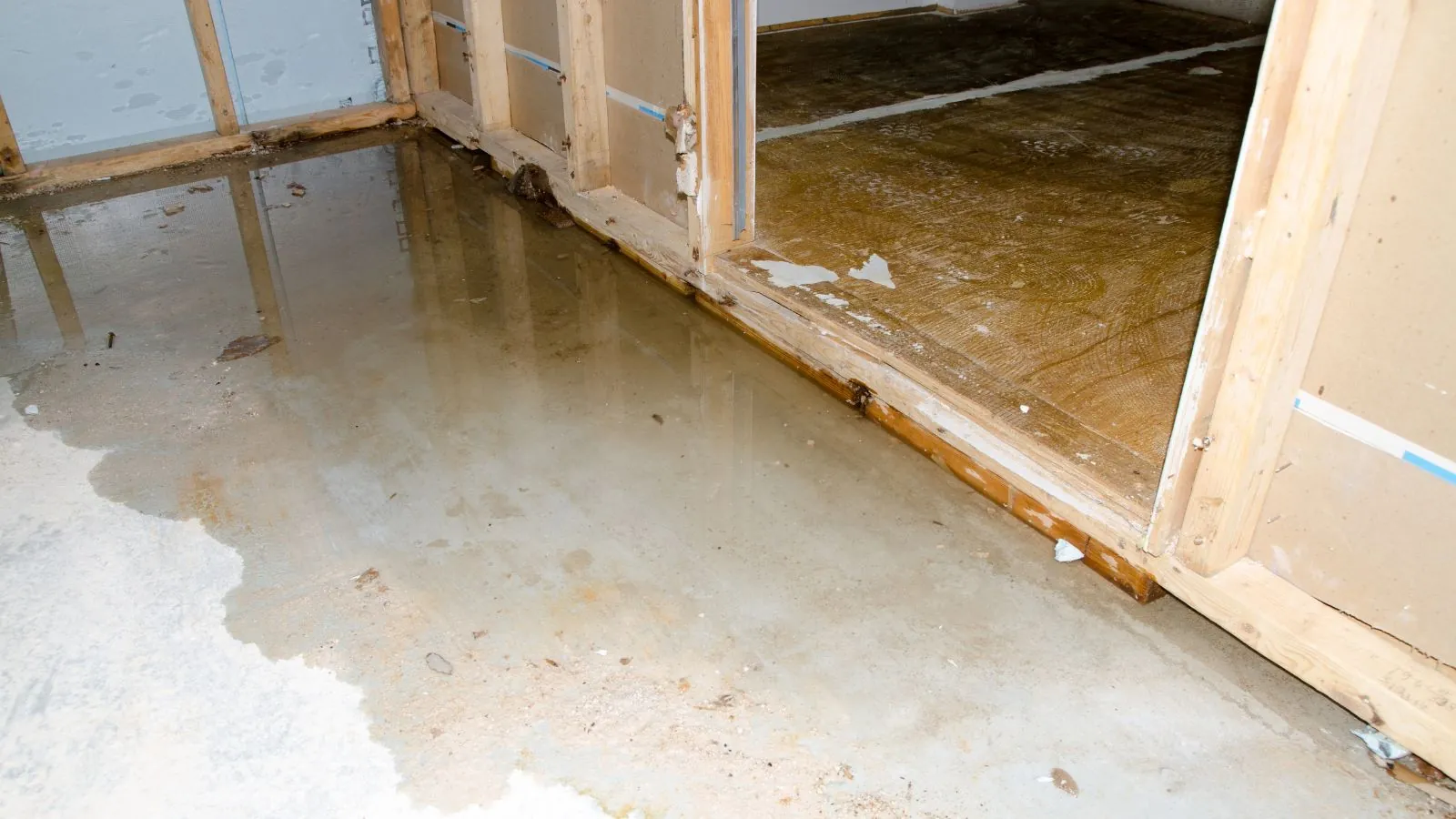
Water in the basement: stay safe and slow the damage
Basement water can hide electrical hazards, especially around a panel, a water heater or a sump pump. Our emergency line is open 24/7. Do not walk through standing water if outlets or the panel are wet, and keep children and pets upstairs.
Move boxes, rugs and furniture up off the floor if you can do so without stepping into the water. Write down what is stored there and take photos. If a sump pump has stopped, call a plumber as well, since the water will keep coming.
Why basements flood in Duxbury
Duxbury's low-lying coastal land means groundwater often stands high, and storms push it higher. Basement walls and slabs face constant pressure from that water, and cracks, floor joints and window wells give it a way in. Heavy rain, snowmelt and high tides all add to the load.
Older homes often have stone or poured foundations that have seen decades of settling. Those walls can seep after wet seasons. Newer homes may fail at the sump pump, which depends on electricity during exactly the storms when the power goes out.
Common basement flooding causes
- Groundwater pressure that pushes through cracks and the floor-wall joint.
- A failed sump pump, a stuck float or a power outage.
- A clogged or collapsed drain tile around the foundation.
- Downspouts and grading that send roof water toward the house.
- A backed-up floor drain or sewer line.
- A burst pipe or water heater failure inside the basement.
The first question is where the water came from. Clean supply water from a pipe is one case. Groundwater and sewer backup are different and need more careful handling, since they can carry bacteria. See our sewage backup page if the water smells foul or came from a drain.
Need basement water damage help now?
Call dispatch. We answer 24/7 and start with safe next steps.
How we dry a flooded basement
We pump out standing water, then use wet vacuums and extraction units on the slab. Wet insulation, stored cardboard and drywall touching the floor are removed. We use moisture meters on the walls and a thermal camera to find damp material.
Drying a basement takes patience, because concrete holds moisture for a long time. Air movers and dehumidifiers run for days, and we log readings until the walls and slab are dry. Our structural drying page explains the equipment and the readings.
| Source | Water type | Typical response |
|---|---|---|
| Burst pipe or water heater | Clean supply water | Extract, dry, replace wet drywall. |
| Groundwater seepage | Gray, may carry soil | Extract, clean, dry, find the entry point. |
| Storm surge or floodwater | Black water | Extract, remove porous materials, disinfect. |
| Sewer or drain backup | Black water | Extract, disinfect, remove porous materials. |
Protecting the basement before the next storm
A few checks before the wet season cut the chance of repeat flooding. They are cheap, and they take under an hour. None of them replaces proper waterproofing, but they help.
- Pour water into the sump pit to confirm the pump kicks on and discharges.
- Clean the pit and the float switch of debris.
- Extend downspouts several feet from the foundation.
- Check that soil slopes away from the house on every side.
- Raise stored items off the floor and keep valuables upstairs.
If water keeps coming in even after these steps, a drainage or waterproofing contractor can look at the foundation. We can document where water entered to help that conversation.
What affects basement water damage cleanup costs
Price follows the depth of the water, the area of the basement, whether it is finished and how long it stood. A finished basement with carpet, drywall and furniture costs more than an open cellar with a concrete floor. We explain scope and price before work starts.
Insurance rules for basement water are strict. Sudden events like a burst pipe are often covered, while groundwater seepage and flood are usually excluded, and sewer or sump backup often needs a separate endorsement. Check your policy and ask your insurer before a storm, not after.
If a wet basement has had time to grow mold, see our mold remediation page. For water from rising tides or rain, our flood damage page covers the wider picture.
Homes near ponds and brooks have their own questions about sump pumps and groundwater. See water damage restoration in Island Creek.
Safety steps while you wait
- Stay out of flooded rooms until the power is off.
- Treat floodwater as contaminated and avoid contact.
- Do not walk on a sagging ceiling or soft floor.
- Photograph the damage and the water line before cleanup.
Water from outside is classed by contamination level in ANSI/IICRC S500, the published standard we refer to for these jobs.
Basement Water Damage questions in Duxbury
Do you handle basement water damage emergencies at night or on weekends in Duxbury?
Yes. Basements flood during storms and at night, and dispatch answers every day. Tell us the water depth and whether power is off.
How long does it take to dry a basement?
Plan on several days of drying, since concrete and block hold moisture. Deep flooding or a finished basement can take longer.
Is a wet basement covered by insurance?
It depends on the source. Burst pipes are often covered, while seepage and flooding usually are not. Check your policy and ask your insurer.
Should I run a dehumidifier myself?
A household unit helps in a small, lightly damp area. Deeper wetness needs commercial air movers and dehumidifiers and moisture readings to confirm dryness.
How can I keep my basement from flooding again?
Extend downspouts away from the house, keep the grade sloping away, test the sump pump and consider a battery backup for it.