
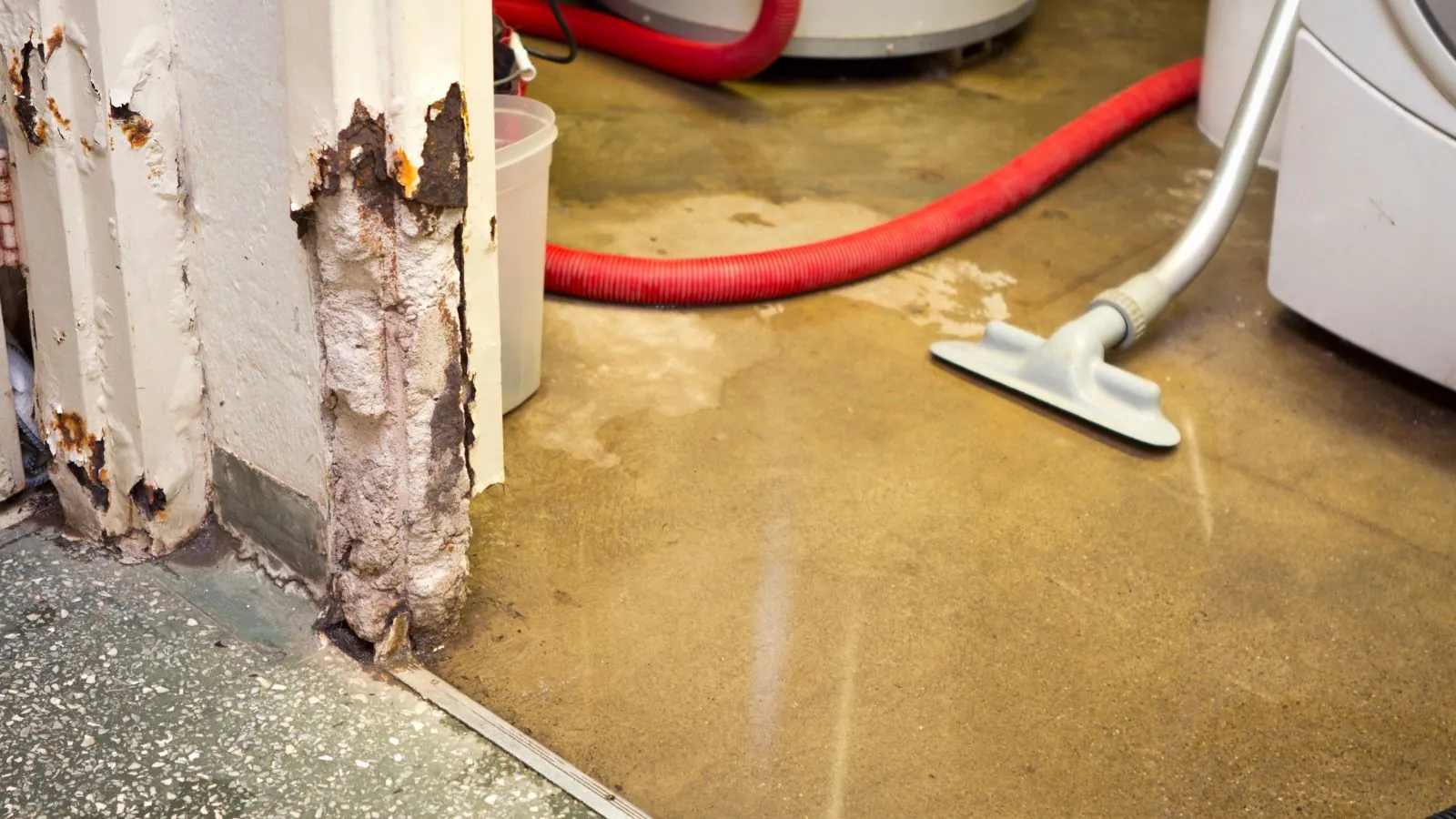
Flooding in progress: safety steps before the water goes down
Flood water can carry sewage, fuel and debris, and it can hide electrical hazards. Our emergency line is open 24/7. Stay out of standing water, do not use appliances that have been submerged and leave the house if water is rising or smells of fuel.
If you can reach the electrical panel from a dry spot, shut off the main breaker. If you cannot, call your utility and wait. Photograph the high-water mark on walls and the damage to contents before anything is moved.
Why Duxbury floods: tides, storms and a high water table
Duxbury is surrounded by water on three sides, with the bay to the east and tidal creeks and marsh inland. The town's climate vulnerability assessment states that Duxbury routinely experiences coastal flooding even with a lunar high tide. It also counts 423 flood insurance claims totaling nearly $5.5 million in the town's history.
Storm tides cause the worst of it. During the 2018 nor'easters, a damaged seawall left Duxbury homes at risk, and shoreline streets took water more than once in a single week. Which streets take water depends on the tide, the wind and the storm track, so check your own address instead of assuming.
Heavy rain causes a different kind of flood. Saturated ground raises the water table, and water seeps through basement walls or backs up from drains. See our basement page and storm damage page for those cases.
Clean, gray and black water: why the category matters
Restoration standards sort water into three categories. Category 1 comes from a clean source such as a supply line. Category 2, or gray water, has some contamination, like washing machine discharge. Category 3, or black water, includes sewage and most floodwater from outside, and it is the most hazardous.
Floodwater from a storm surge is generally treated as Category 3. That means porous materials such as carpet, pad, insulation and drywall that touched it are normally removed, not dried. The published ANSI/IICRC S500 standard describes this approach.
Need flood damage cleanup help now?
Call dispatch. We answer 24/7 and start with safe next steps.
How we clean up a flooded home
Assess safety
We check for electrical hazards, structural concerns and contaminated areas before crews enter.
Pump out and extract
Submersible pumps and truck-mounted or portable extraction units remove the bulk of the water, then wet vacuums handle the rest.
Remove what cannot be saved
Soaked carpet, pad, insulation and drywall are removed and bagged. Hard surfaces are cleaned and treated with antimicrobial products.
Dry the structure
Air movers and LGR dehumidifiers run while we log moisture readings in the framing and subfloor.
Rebuild
Once readings are dry, walls, flooring and trim are restored.
| Material | After Category 3 water | Why |
|---|---|---|
| Carpet and pad | Replaced | Hard to clean fully and hold contamination. |
| Drywall and insulation | Cut out above the waterline | Porous materials absorb contaminants. |
| Hardwood floor | Often replaced, sometimes cleaned | Depends on contact time and subfloor. |
| Concrete and tile | Cleaned and disinfected | Non-porous surfaces clean well. |
Documents and supplies worth gathering before flood season
Preparation does not stop water, but it makes the recovery faster. Keep the paperwork you will need in a waterproof bag or a cloud folder. Photograph each room once a year so you have proof of what you owned.
- Your insurance policy, agent contact and claim phone number.
- A photo or video inventory of rooms and valuable items.
- A flood map check for your address from FEMA or the town.
- Phone numbers for your utility, plumber and our dispatch line.
- A flashlight, battery pack, rubber boots and heavy gloves.
If your property is in a mapped flood zone, ask your insurer about flood coverage well before a storm. Policies often carry a waiting period, so buying after a forecast is too late.
What drives the cost of flood damage cleanup
The main variables are water depth, how long it stood, whether it was contaminated and how many rooms and floors it touched. Removal and rebuild are the largest parts. We explain scope and price before work starts.
Flood insurance works differently from ordinary homeowners coverage. Standard homeowners policies usually exclude flood, so damage from rising water often needs a separate flood policy, such as one through the National Flood Insurance Program. Check your policy, ask your insurer and check the FEMA flood map for your property.
Because many South Shore flood events stem from a storm, our storm cleanup page covers the weather side. For the first step after the water recedes, see emergency water extraction.
Coastal water raises its own questions. Our neighborhood pages for Duxbury Beach and Powder Point explain salt water, seawall coverage and what to check at your address.
Safety steps while you wait
- Stay out of flooded rooms until the power is off.
- Treat floodwater as contaminated and avoid contact.
- Do not walk on a sagging ceiling or soft floor.
- Photograph the damage and the water line before cleanup.
Water from outside is classed by contamination level in ANSI/IICRC S500, the published standard we refer to for these jobs.
Flood Damage Cleanup questions in Duxbury
Do you handle flood damage emergencies at night or on weekends in Duxbury?
Yes. Storm tides do not follow office hours, and dispatch answers every hour of every day. Call and tell us where the water is and how deep.
Is it safe to walk through floodwater in my house?
Not until power is confirmed off and the water source is known. Floodwater can be contaminated and can conceal electrical hazards.
Will my homeowners insurance cover a flood?
Usually not. Flood is commonly excluded and needs separate flood coverage. Check your policy and ask your insurer.
How do I find out if my home is in a flood zone?
Use the FEMA flood map service, or ask the Duxbury Building Department about the flood zone designation for your address.
How soon should cleanup start after a flood?
As soon as it is safe. Mold can begin to grow within days on wet materials, so quick extraction and drying protect the structure.