
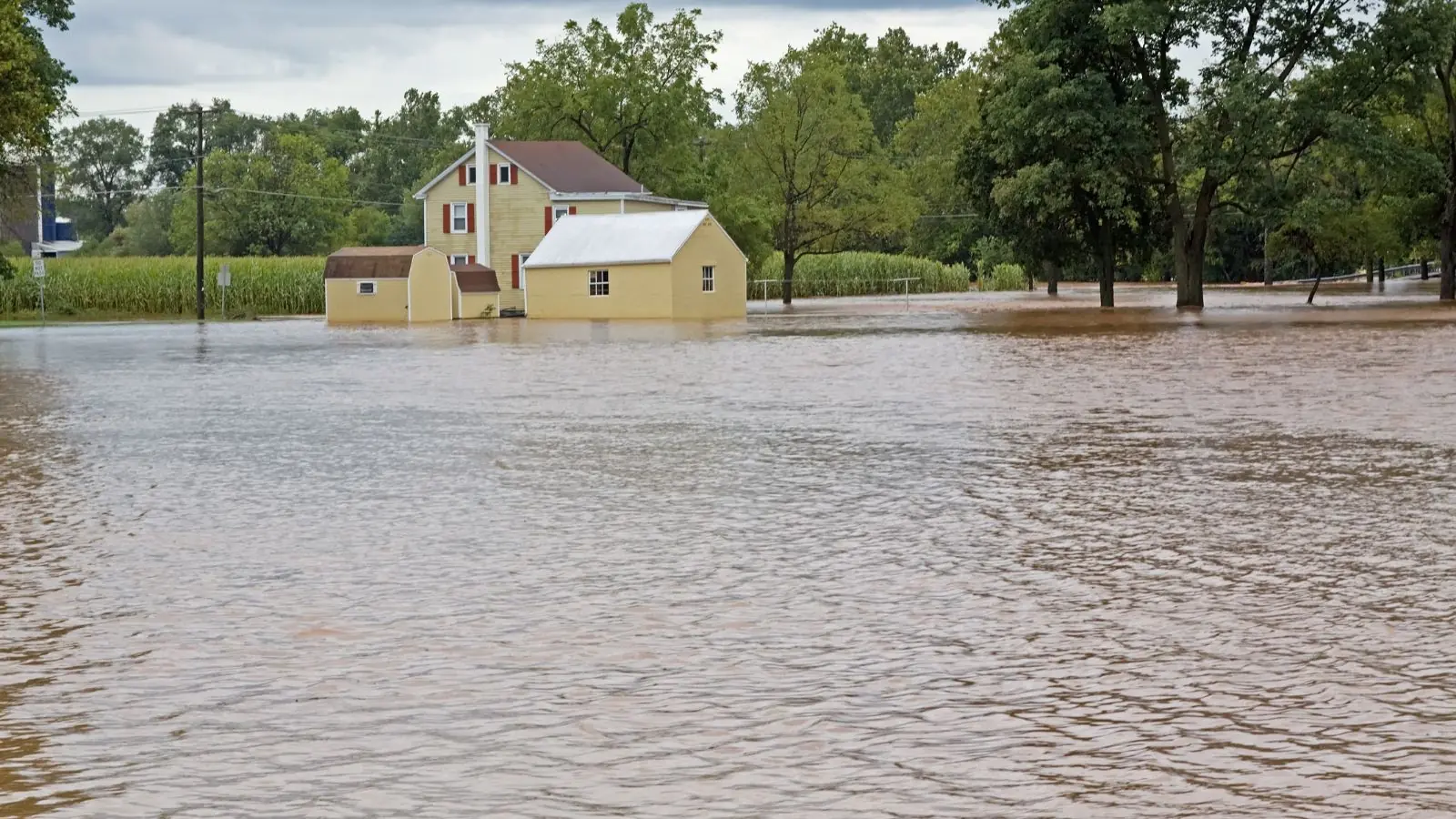
After a storm: what to do while the weather is still active
Storm damage keeps growing while the rain and wind continue. Our emergency line is open 24/7, including during storms when conditions allow safe travel. Stay out of flooded areas, keep away from downed lines and move belongings to dry spots inside while you wait.
If rain is coming through a roof or window, catch it with buckets and cover furniture. Take photos and video of the damage and of any storm debris. Wait for conditions to improve before checking the roof or the yard.
What storms do to Duxbury homes
Duxbury takes storms from the Atlantic, and the shoreline faces them directly. In 2018 two nor'easters struck within about a week, and a damaged seawall put Duxbury homes at risk, according to CBS News. The Blizzard of 1978 remains a benchmark for coastal flooding in Massachusetts.
Storm surge floods low ground, while rain and wind find weak points in the building envelope. The town's climate vulnerability assessment lists flood insurance claims totaling nearly $5.5 million and says the town routinely sees coastal flooding. Homes near the bay can be exposed to surge, and those on higher ground still see roof and window leaks.
The common ways storm water gets in
Roof and flashing
Wind lifts shingles and drives rain under flashing around chimneys, skylights and vents.
Windows and doors
Wind-driven rain pushes past worn seals and caulk, soaking trim and the wall below.
Foundation and basement
Saturated ground and surge raise water levels outside, and water enters through cracks and floor joints.
Storm drains and gutters
Clogged gutters overflow against the wall, and blocked drains back up around the house.
Storm damage often combines several of these at once. A roof leak can wet a ceiling while a flooded basement ruins stored items. That is why we look at the whole building, not just the room you called about.
Need storm water damage help now?
Call dispatch. We answer 24/7 and start with safe next steps.
How we handle storm water damage
Safety comes first. We check for electrical hazards, unstable ceilings and contaminated water before crews work. Then we extract water, remove soaked materials and set drying equipment, using moisture meters to map what is wet.
Floodwater from outside is generally treated as contaminated, and the cleanup includes antimicrobial treatment of hard surfaces. For wind-driven rain through a roof, drying the insulation and ceiling comes first. See our flood damage page and ceiling repair page for each case.
| Type of damage | First action | Then |
|---|---|---|
| Roof leak | Contain water, tarp if a roofer can do so safely | Dry ceiling and insulation. |
| Basement flooding | Pump out standing water | Dry slab and walls, remove ruined items. |
| Window or door leak | Wipe and dry trim and sill | Check the wall cavity for moisture. |
| Surge flooding | Wait for safe access, then extract | Remove contaminated materials, disinfect. |
The 48 hours before a forecast nor'easter
Forecasts usually give a day or two of warning. Use that window to cut the odds of water getting in and to protect what is already there. Small steps add up.
- Clear gutters and downspouts so roof water leaves the house.
- Test the sump pump and check the battery backup if you have one.
- Move stored items off basement floors onto shelves or pallets.
- Charge phones and know where your main water and electric shutoffs are.
- Photograph the outside of the house and each room for your records.
If you live near the shoreline, learn your hurricane evacuation zone from the town and the state map. After the storm, wait for safe conditions before going into a flooded area.
What affects storm damage cleanup costs
Cost depends on the type of water, how many rooms and floors were hit and whether there is structural damage that needs a contractor or roofer. Scope can change as walls are opened. We explain scope and price before work starts.
Insurance sorts storm losses into wind-driven rain, which homeowners policies often cover, and flood from rising water, which they usually exclude. The same storm can produce both. Check your policy, ask your insurer and consider flood coverage if you are near the water.
To prepare ahead, read about getting your property ready before storm season, and keep a list of valuables with photos. Call early when a storm is forecast, since crews and equipment are in demand once it hits.
For shoreline homes, the page on water damage restoration in Duxbury Beach looks at storm surge and empty winter houses.
Safety steps while you wait
- Stay out of flooded rooms until the power is off.
- Treat floodwater as contaminated and avoid contact.
- Do not walk on a sagging ceiling or soft floor.
- Photograph the damage and the water line before cleanup.
Water from outside is classed by contamination level in ANSI/IICRC S500, the published standard we refer to for these jobs.
Storm Water Damage questions in Duxbury
Do you handle storm water damage emergencies at night or on weekends in Duxbury?
Yes. Dispatch answers around the clock, including during storms. In high wind or surge, crews may need to wait for safe road access.
Is storm damage covered by homeowners insurance?
Wind and rain damage is often covered, but flood from rising water usually is not. Check your policy and ask your insurer.
Should I wait for the storm to pass before calling?
No. Call early so we can talk you through protecting the property and line up a crew as soon as it is safe.
What should I photograph after a storm?
Photograph the water line, damaged contents, roof or window openings and any debris. Do it before you move or clean anything.
Can mold grow after storm flooding?
Yes. Wet materials can grow mold within days, so extraction and drying should start as soon as it is safe.