
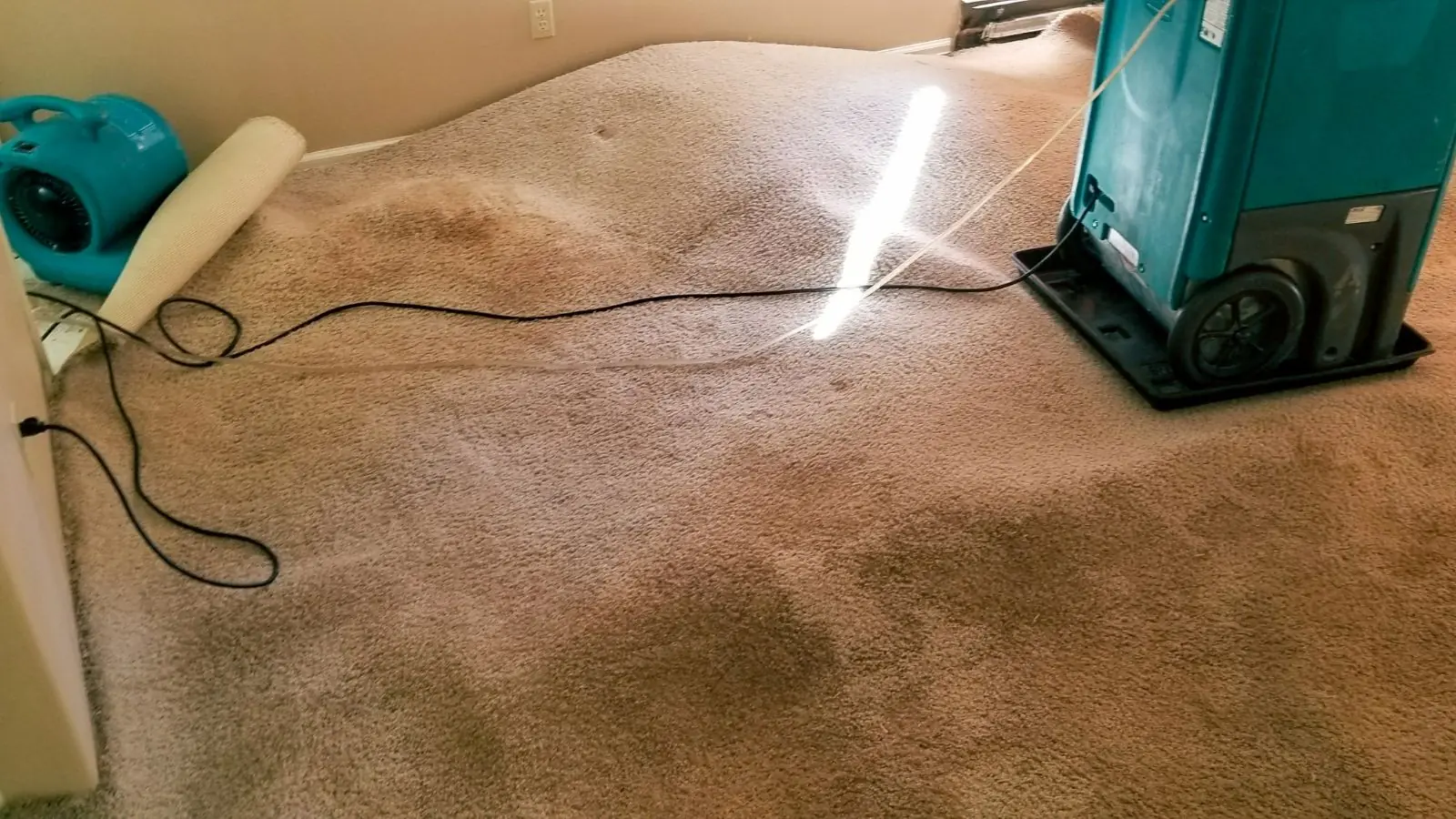
Safety and stopping the water come first
If water is spreading, shut off the nearest fixture valve or the main if you can reach it. Keep away from outlets and cords in wet areas. If you cannot stop the water, call your landlord or property manager's emergency line right away.
If there is a risk to health or safety, such as sewage or electrical hazards, tell your landlord immediately and consider calling emergency services. Do not try to clean up sewage yourself.
Who does what
| Task | Usually the tenant | Usually the landlord |
|---|---|---|
| Notify promptly | Yes, in writing | Receives notice. |
| Stop the source | If safe and reachable | Fixes the plumbing or roof. |
| Extract and dry the building | Not the tenant's job | Arranges and pays. |
| Repair walls, floors and ceilings | Not the tenant's job | Arranges and pays. |
| Protect personal belongings | Yes | Not responsible by default. |
| Insurance claim | Renters policy for belongings | Building policy for the structure. |
Treat this as a starting map. Leases differ, and the facts of each case matter, including who caused the damage. If you are unsure, ask a tenant rights organization or an attorney.
What to document
- Photos and video of the water, the source and every damaged item.
- The date and time you first noticed the problem.
- Copies of every message to your landlord, with dates.
- Receipts for emergency costs such as a hotel or storage.
- A list of damaged belongings with approximate value.
Send your notice in writing, by email or text as well as by phone. A written record shows when your landlord was told. Keep your own copy of everything you send.
Renters insurance and your belongings
A building owner's insurance covers the structure, not your belongings. A renters policy can cover your things after a sudden covered event, subject to its limits and exclusions. Ask your insurer what they need to open a claim.
Flood damage is usually excluded from renters policies, so ground-floor and basement units near the water should ask about separate flood coverage. Check your policy and ask your insurer.
If your landlord is slow to act
- Send a written follow-up with a clear request and a date.
- Photograph conditions as they change, including growth of staining or odor.
- Contact the local Board of Health if conditions affect safety.
- Ask a tenant rights organization or an attorney about your options.
- Do not withhold rent or make repairs yourself without legal advice.
Delay allows damage to spread and mold to develop. Quick water extraction and drying limit both, and we can work with your landlord's property manager when they call us.
Have water damage right now?
Skip the reading and call. Dispatch answers 24/7.
Temporary housing, rent and what to ask
If a unit is unlivable, tenants often ask whether rent is reduced and who pays for a hotel. The answer depends on your lease, the cause of the damage and Massachusetts law. Put the question in writing and keep the response.
A tenant rights organization or an attorney can explain what applies to you. Do not stop paying rent or make repairs on your own without advice, because that can create new problems.
Prevent disputes with move-in records
- Take dated photos of each room when you move in.
- Photograph under sinks, around the water heater and along ceilings.
- Report any existing stain or leak in writing at move-in.
- Keep a copy of your lease and your renters policy together.
- Know where the main water shutoff is in your unit.
These records make it easier to show that damage was not caused by you. They also help a landlord and an insurer understand what changed.
A short sample notice you can adapt
A clear written notice helps everyone. State your name and address, the date and time you found the problem and where the water is coming from. Describe the damage in a few sentences, attach photos and ask for a prompt repair and a reply.
- Send it by email or text so you have a timestamp.
- Keep it short and factual, without blame.
- Ask for a response by a specific date.
- Mention any safety concern, such as electrical risk or sewage.
- Keep a copy and note when you sent it.
Protecting your belongings while you wait
Move furniture and electronics out of the wet area if you can do so safely. Lift small items onto tables or into dry rooms. Place foil or plastic under furniture legs on wet carpet to prevent stains.
Do not throw away damaged belongings until you have photographed them. Keep receipts for supplies and emergency costs. If you plan to claim under a renters policy, ask your insurer what they require.
When mold or odor follows the leak
Tell your landlord in writing if you notice mold growth or a musty smell after water damage. Mold follows moisture, so the source and the wet materials need attention. If conditions affect health or safety and the landlord does not respond, contact your local Board of Health.
Duxbury rental context
The Census Bureau's 2020-2024 estimates list Duxbury's median gross rent at $1,591, and 91.2 percent of homes as owner-occupied. With so few rentals, many tenants rent single-family homes, which are often privately owned and managed.
The town's climate vulnerability assessment describes routine coastal flooding at lunar high tide. Tenants of ground-level or basement units near the bay should ask about flood risk and keep valuables raised.
The steps apply in nearby places like Kingston and Halifax, where each town has its own Board of Health. Contact yours if the problem affects health or safety.
Duxbury questions answered
Who pays for water damage in a Duxbury rental?
The landlord generally handles the building and the tenant handles personal belongings, but your lease and the cause matter. Ask a tenant rights organization or an attorney about your case.
Should I call a restoration company myself?
Notify your landlord first. If you cannot reach them and water is spreading, you can call us for safety steps and emergency extraction, and tell your landlord what you did.
Will renters insurance cover my furniture?
It can after a sudden covered event, within policy limits. Flood is usually excluded. Check your policy.
Who do I call about mold in my rental?
Tell your landlord in writing. If conditions affect health or safety, contact your local Board of Health.