
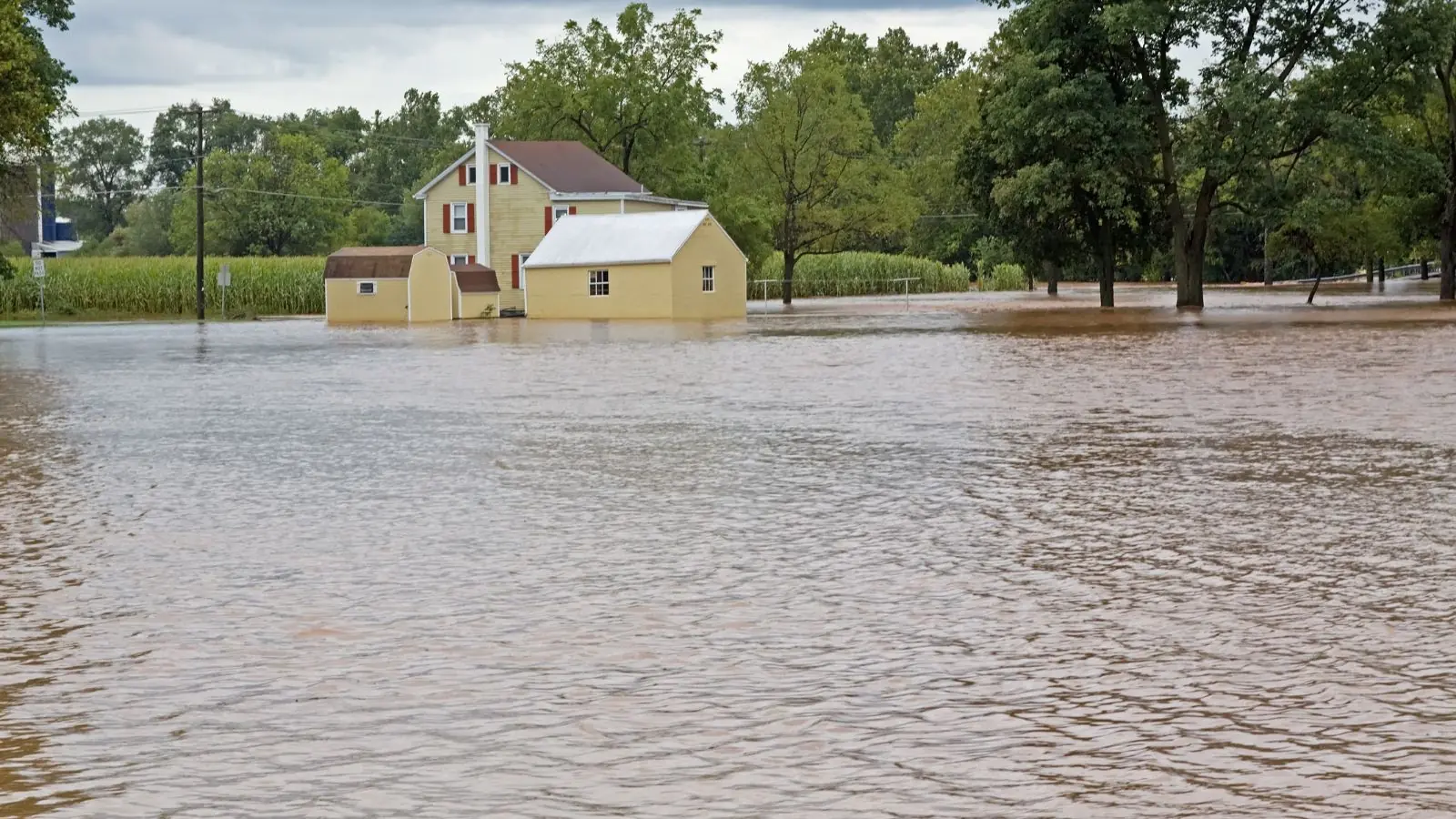
Why preparation pays off on the coast
You cannot stop a nor'easter, but you can limit how much water gets in and how much it costs. Most prevention is cheap and simple. A few hours of checks each season protect the places water enters most often.
Start with a seasonal checklist, then add a short plan for the two days before a forecast storm.
A seasonal checklist
| When | What to check | Why |
|---|---|---|
| Early fall | Clean gutters, downspouts and drains | Roof water must leave the foundation. |
| Early fall | Inspect roof, flashing and chimney | Wind-driven rain finds small gaps. |
| Late fall | Insulate exposed pipes and shut off exterior hose bibs | Frozen pipes crack. |
| Winter | Check attic for ice dams and stains | Meltwater backs under shingles. |
| Early spring | Test the sump pump and battery backup | Spring rain and thaw raise groundwater. |
| Spring | Check grading and window wells | Soil should slope away from the house. |
| Any time | Review insurance, including flood and water backup | Gaps are found too late after a storm. |
Put these on your calendar. A sump pump that fails during a storm is a bad surprise, and pouring water into the pit takes two minutes. A backup battery or water-powered pump may be worth discussing with a plumber.
The 48 hours before a forecast storm
- Clear gutters, downspouts and storm drains near your home.
- Test the sump pump and make sure the discharge line is clear.
- Move items off basement floors and onto shelves or pallets.
- Charge phones and battery packs, and find a flashlight.
- Know where your main water and electric shutoffs are.
- Photograph the exterior and each room for your records.
- Bring in loose outdoor items and secure what you cannot move.
After the storm, wait for safe conditions before going into flooded areas. Look for downed lines and standing water near outlets. If water gets in, storm water damage cleanup starts with extraction and drying.
Documents to keep ready
- Your insurance policy and your agent's contact information.
- A video walk-through of your home and valuables.
- A flood map check for your address.
- Phone numbers for your utility, plumber and our dispatch line.
- Copies of IDs and key papers in a waterproof bag or secure cloud folder.
If your home is near the water, ask your agent about flood coverage well before the season. Policies often carry a waiting period, and standard homeowners coverage usually excludes flood. Our flood damage restoration team can dry a home after a flood, but coverage is a separate question.
Have water damage right now?
Skip the reading and call. Dispatch answers 24/7.
After the storm: the first 24 hours
- Wait for safe conditions before going outside or into flooded areas.
- Look for downed lines, standing water near outlets and structural damage.
- Turn off power to any wet area if the panel is dry and you can reach it safely.
- Photograph and record the damage before you move things.
- Call your insurer, then call us for extraction and drying.
- Do not run a household vacuum or walk through floodwater.
Time matters after a storm. Water that sits in carpet, drywall and insulation can lead to mold within days. Prompt extraction limits both damage and cost.
Protecting specific parts of the house
Basement
Raise stored items, test the sump pump and extend downspouts away from the foundation.
Garage
Move valuables off the floor and keep chemicals up high and sealed.
Windows and doors
Check seals and caulk, and close storm shutters if you have them.
Roof and attic
Look for loose shingles and damaged flashing, and check the attic for stains after the storm.
Yard
Clear drains, secure outdoor furniture and trim limbs that could fall on the house.
You do not need to do everything. Start with the places where water has entered before, and add others each season.
A go-kit for an outage or evacuation
- Flashlights, spare batteries and a battery phone charger.
- Prescription medicines and basic first aid supplies.
- Bottled water and non-perishable food for a few days.
- Copies of insurance papers and ID in a waterproof bag.
- Cash in small bills, since cards may not work.
- A list of phone numbers, including your insurer and our dispatch line.
Store the kit where you can reach it quickly. Check it each fall and replace anything that has expired. Share the plan with everyone in your household so they know what to do.
Know your evacuation route and zone
Coastal Massachusetts towns have hurricane evacuation zones, and your town and the state publish maps. Look up your address before a storm, and learn your route to higher ground. Decide where you would go and how you would get there.
If you are told to evacuate, go. Property can be repaired, and people cannot be replaced. After the storm, we can help with extraction and drying once it is safe to return.
Duxbury storm history and exposure
The town's climate vulnerability assessment describes routine coastal flooding at lunar high tide and reports 423 flood claims totaling nearly $5.5 million. CBS Boston reported that the 2018 nor'easters damaged a seawall in Duxbury.
The Blizzard of 1978 is widely remembered as a benchmark storm for coastal Massachusetts, and the Powder Point Bridge, which opened in 1892, burned in 1985 and was rebuilt in 1986. Local landmarks show how much coastal structures need upkeep.
Prepare the same way in Kingston and Halifax, where tidal rivers and ponds add their own flood risks. Know your own address and its risks.
Duxbury questions answered
When does storm season start in Duxbury?
Nor'easters can arrive in fall, winter and spring, so treat it as a long season. Do the seasonal checks in early fall.
Should I buy flood insurance for a home near Duxbury Bay?
Ask your agent. The town's assessment describes routine coastal flooding, and standard policies usually exclude flood. Check the FEMA flood map for your address.
What should I do first after storm water gets in?
Stay safe, avoid electrical hazards, photograph the damage and call us for extraction and drying.
Is a battery backup for a sump pump worth it?
Many homeowners find it helpful because storms often cause power loss. A plumber can advise on the right option.