
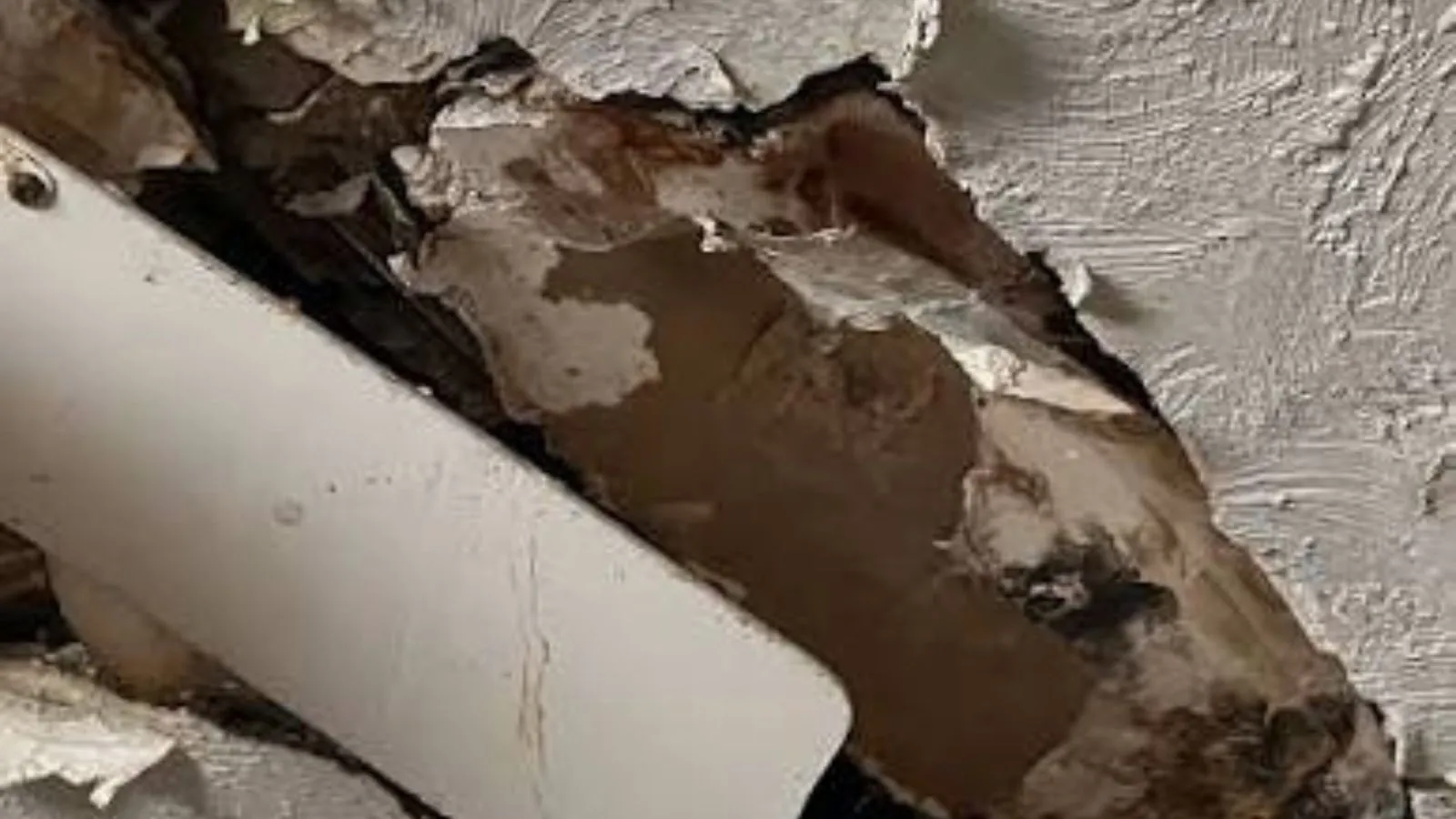
Start by asking why the wall is wet
Mold on a wall is a symptom. Before you clean anything, find out where the moisture is coming from. Common sources are plumbing leaks, roof or window leaks, condensation and damp basement walls.
If the source is still active, cleaning will not hold. Fix the leak, dry the area and then deal with the surface. Our wall and drywall water damage repair page explains how we check for moisture behind the surface.
A decision guide: DIY or professional
| Situation | DIY may be reasonable | Call a professional |
|---|---|---|
| Size | A small patch, roughly under a square foot or two | Larger patches or several areas. |
| Surface | Hard, sealed surface like tile or glossy paint | Drywall, plaster, insulation, wood framing. |
| Moisture | Source fixed, area dry | Wall still wet or source unknown. |
| Smell | Mild | Strong musty smell after a leak. |
| Structure | Surface only | Soft, crumbling, bubbling or stained through. |
| Location | Open bathroom wall with ventilation | Behind cabinets, in an attic or crawl space. |
If your situation falls in the right-hand column, stop and call. Opening a wall yourself can release dust and spread growth to other rooms. A professional uses containment to keep that from happening.
If you do clean a small area
- Fix the water source and let the area dry fully.
- Wear a fitted respirator, gloves and eye protection.
- Keep the room closed off and turn off fans that would spread dust.
- Wipe the hard surface with a detergent solution and a damp cloth, then dry it.
- Bag the cloths and dispose of them.
- Check the spot over the next weeks and call if it returns.
Do not mix cleaning products, since some combinations create harmful fumes. Follow product labels and ventilate the room. If you feel unwell at any point, stop and get fresh air.
Why drywall is usually replaced, not cleaned
Drywall is porous, which means mold can grow into the paper face and the gypsum core. Surface cleaning leaves growth inside. When drywall has been wet for more than a day or two, or shows growth, it is generally cut out and replaced.
The same applies to wet insulation behind the wall. A moisture meter and a thermal camera show how far the wetness extends, and the scope should state what will be removed. Our mold remediation team contains the area, removes affected material and cleans the surrounding surfaces.
Have water damage right now?
Skip the reading and call. Dispatch answers 24/7.
After the cleaning: prevention
- Run bathroom fans during and after showers.
- Keep indoor humidity moderate with a dehumidifier in damp seasons.
- Fix gutters and downspouts so water leaves the foundation.
- Check under sinks and behind appliances every few months.
- Dry any wet area within a day or two.
Gear and supplies for a small cleaning job
- A fitted respirator rated for particles, not a loose dust mask.
- Gloves and eye protection that seals around the eyes.
- Disposable coveralls or old clothes you can bag afterward.
- Heavy trash bags, plastic sheeting and painter's tape.
- Detergent, water, clean cloths and a bucket.
- A fan placed to exhaust outdoors, not to blow dust through the house.
Read product labels and follow them. Never mix cleaning chemicals, because some combinations release fumes that can hurt you. If you feel dizzy or short of breath, stop, leave the area and get fresh air.
What a professional does differently
A professional starts by finding the moisture source and measuring how far it has spread. They set up containment so that dust does not travel to other rooms. They use filtered air machines to capture airborne particles while they work.
They also decide what must be removed. Wet drywall, insulation and carpet pad are cut out and bagged, and framing is cleaned and dried. The work ends with moisture readings, so everyone knows the area is dry before anything is rebuilt.
Paint, sealers and the temptation to cover it up
Stain-blocking paints and sealers are not a substitute for removing growth and drying the wall. Paint over a damp wall can bubble and peel, and it may trap moisture behind the surface. If a wall needs paint, wait until it has been dry for a while and the source is fixed.
If you plan to sell, remember that fresh paint over a repaired spot raises questions unless you can show records. Keep photos and readings from the repair so you can explain what was done.
Duxbury conditions to keep in mind
CBS Boston reported that the 2018 nor'easters damaged a seawall in Duxbury. After storms like that, check basement and exterior walls for dampness within a few days, since wet walls are where mold usually starts.
The Census Bureau's 2020-2024 estimates put the median home value in Duxbury at $874,600. With homes of that value, a quick professional moisture check can be worth it before you decide whether a wall needs to be opened.
If you live in Plympton or Halifax, note that basements and crawl spaces near wet ground can feed wall problems from the bottom up. The steps above apply there as well.
Duxbury questions answered
Can I use bleach to clean mold from a wall?
Bleach does not penetrate porous material like drywall, so it may not reach growth inside. Follow product labels, never mix chemicals and ventilate. For anything beyond a small hard surface, call a professional.
How do I know if the wall behind the mold is still wet?
A moisture meter and a thermal camera show wetness behind a surface. We can check readings and explain whether the wall can be dried or has to be opened.
Is a bubbling paint stain on a Duxbury exterior wall a leak?
It often points to moisture behind the paint, from a roof, flashing or window leak. Find the source before repainting.
Will insurance cover wall mold removal?
It depends on the cause of the water and your policy. Sudden covered losses are treated differently from gradual leaks. Check your policy and ask your insurer.