
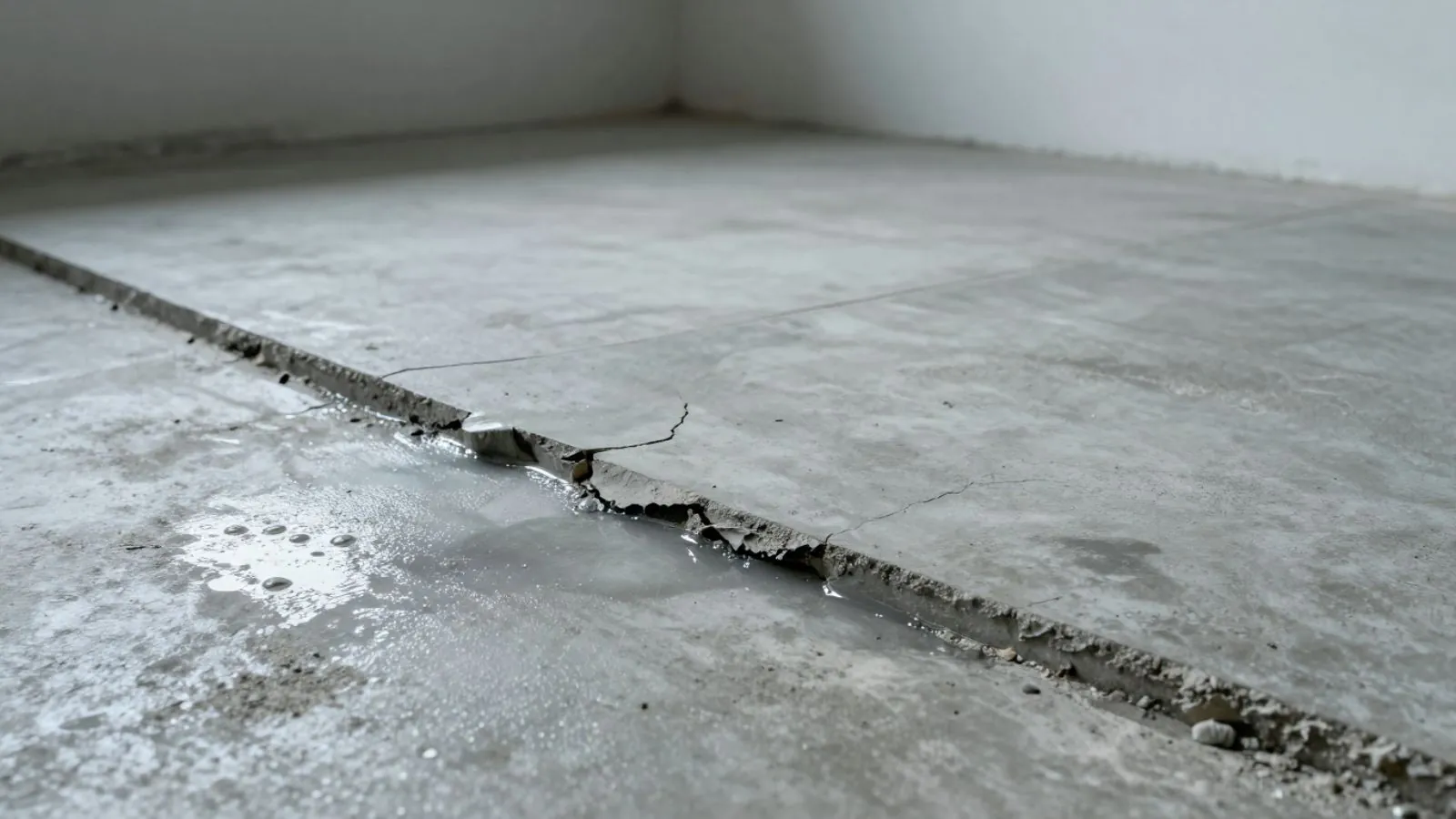
Why a bill can jump without any visible leak
Water that escapes inside a wall, under a slab or in an underground line may never show up on a floor. The only sign is a bill that rises when your habits have not changed. A running toilet can also waste a surprising amount of water.
Not every spike means a leak. Guests, a filled pool, watering a new lawn or a catch-up bill after an estimated read can all raise a bill. Work through the checklist before you assume the worst.
The meter test
- Turn off every faucet, appliance and irrigation system, and make sure no one is using water.
- Find your water meter and look at the leak indicator, often a small dial or triangle.
- Note the reading, wait 30 minutes without using water, then read it again.
- If the number moved or the indicator is spinning, water is going somewhere.
- Close the main valve and check again. If the meter stops, the leak is inside the house, and if it keeps moving, the leak is before the valve.
Write down both readings and the time. This record is useful to your water department and your plumber. If the meter is in a pit or outside, use caution with covers and traffic.
Where leaks hide
| Source | Clue | Simple check |
|---|---|---|
| Toilet flapper | Faint trickle sound or refilling | Add food coloring to the tank and watch the bowl. |
| Dripping faucet or showerhead | Steady drip | Look and listen at each fixture. |
| Irrigation line | Wet patch or soggy lawn | Run each zone and watch for pooling. |
| Water heater | Dampness at the base | Check the pan, fittings and relief valve. |
| Pipe in a wall or floor | Warm spot, stain or musty smell | Look for stains and listen at walls. |
| Slab or buried line | Warm floor or the meter moving with all fixtures off | Call a plumber for leak detection. |
If the clue points to a pipe in a wall or under a floor, a plumber with listening equipment or thermal imaging can pinpoint it without tearing everything open. Read how we work around that on our slab leak water damage page.
What to do once you find a leak
- Shut off the water to the fixture or the main valve.
- Call a plumber to repair the line.
- If water reached a floor or wall, call us to extract and dry the area.
- Photograph the damage and the failed part for your records.
- Ask your water department whether a leak adjustment is possible.
Hidden leaks often leave wet materials. A moisture reading shows whether framing or subfloor is wet, and drying quickly prevents mold. Our burst pipe water damage work covers lines that fail inside the structure.
Have water damage right now?
Skip the reading and call. Dispatch answers 24/7.
Insurance and leaks
Policies often cover sudden and accidental leaks and often exclude gradual leaks and neglect. A bill that rose over months may suggest a gradual leak. Check your policy and ask your insurer, and keep the plumber's report.
Reading your bill and meter
Water meters report usage in units such as cubic feet or gallons. Compare the unit on the bill with the unit on the meter, because mixing them up makes an ordinary bill look huge. Compare the same billing period from last year to account for seasonal use.
- Check whether the bill is based on an actual or estimated read.
- Look at the dates of the billing period, since a longer period means more days of use.
- Compare daily average use with previous bills.
- Note any irrigation, pool filling or houseguests during the period.
- Ask the water department to explain any charge you do not understand.
Irrigation, pools and seasonal use
A lawn irrigation system can use a large amount of water, and a stuck valve can run all night. Check each zone and watch for pooling. In winter, outdoor spigots left connected can freeze and leak inside the wall.
If you fill a pool or hot tub, expect a bump in that period. A bill that stays high after the fill is done is worth investigating.
A step-by-step plan for the next 24 hours
- Run the meter test and write down both readings.
- Check toilets with food coloring in the tank.
- Look under sinks, around the water heater and at the washing machine.
- Walk the yard for wet spots or the sound of running water.
- Call a plumber if the meter still moves or you cannot find the source.
- Call us if water has reached floors or walls.
Do the checks in order, starting with the simplest. Many leaks turn out to be a toilet flapper that costs little to replace. Save the harder searches for when the easy ones turn up nothing.
What a plumber does to find a hidden leak
A plumber may isolate sections of pipe with shutoff valves and check pressure. Listening devices pick up the sound of escaping water, and thermal cameras can show a warm line under a floor. These methods narrow the search so less of the house has to be opened.
Duxbury water supply facts
The Duxbury Water Department is listed as public water system 4082000 and draws on groundwater wells. Ask the department at Town Hall, 878 Tremont Street, how meters are read and whether they offer any leak adjustment.
The Census Bureau's 2020-2024 estimates put 91.2 percent of Duxbury homes as owner-occupied, so most homeowners pay their own water bills directly. Compare a new bill with the same month last year before you decide it has spiked.
The same meter test works in Kingston and Halifax, though your town's water supplier will differ. Homes on private wells have no water bill but can show the same symptoms as a pump that runs constantly.
Duxbury questions answered
Who do I contact about my Duxbury water bill?
Contact the Duxbury Water Department at Town Hall, 878 Tremont Street. They can explain how your meter is read and what options exist.
How much water can a running toilet waste?
It can waste a lot over a month, and the amount varies with the flapper and fill valve. Test with food coloring in the tank.
My meter moves with everything off. What now?
Close the main valve and check again. If it stops, the leak is inside, and if it still moves, the leak is before the valve. Call a plumber.
Will insurance pay for a high water bill?
Usually not for the bill itself. Policies may cover sudden damage from a leak, but not wasted water or gradual leaks. Ask your insurer.