
Safety comes before saving the device
Your first goal is to avoid electric shock. If water is on the floor and you cannot be sure the power is off, do not walk in it to reach a cord or a breaker. A device can be replaced, and you cannot.
If the electrical panel is in a wet basement, leave it alone and call your utility or an electrician. If the panel is dry and you can reach it without standing in water, switching off the breakers for the wet area is the safer step.
A quick decision guide
| Situation | First step | Who to call |
|---|---|---|
| Water on the floor near outlets | Stay out and turn off breakers only if the panel is dry | Electrician or utility. |
| Wet small device (phone, laptop) with no standing water | Unplug, power off and remove the battery if possible | Repair shop or manufacturer. |
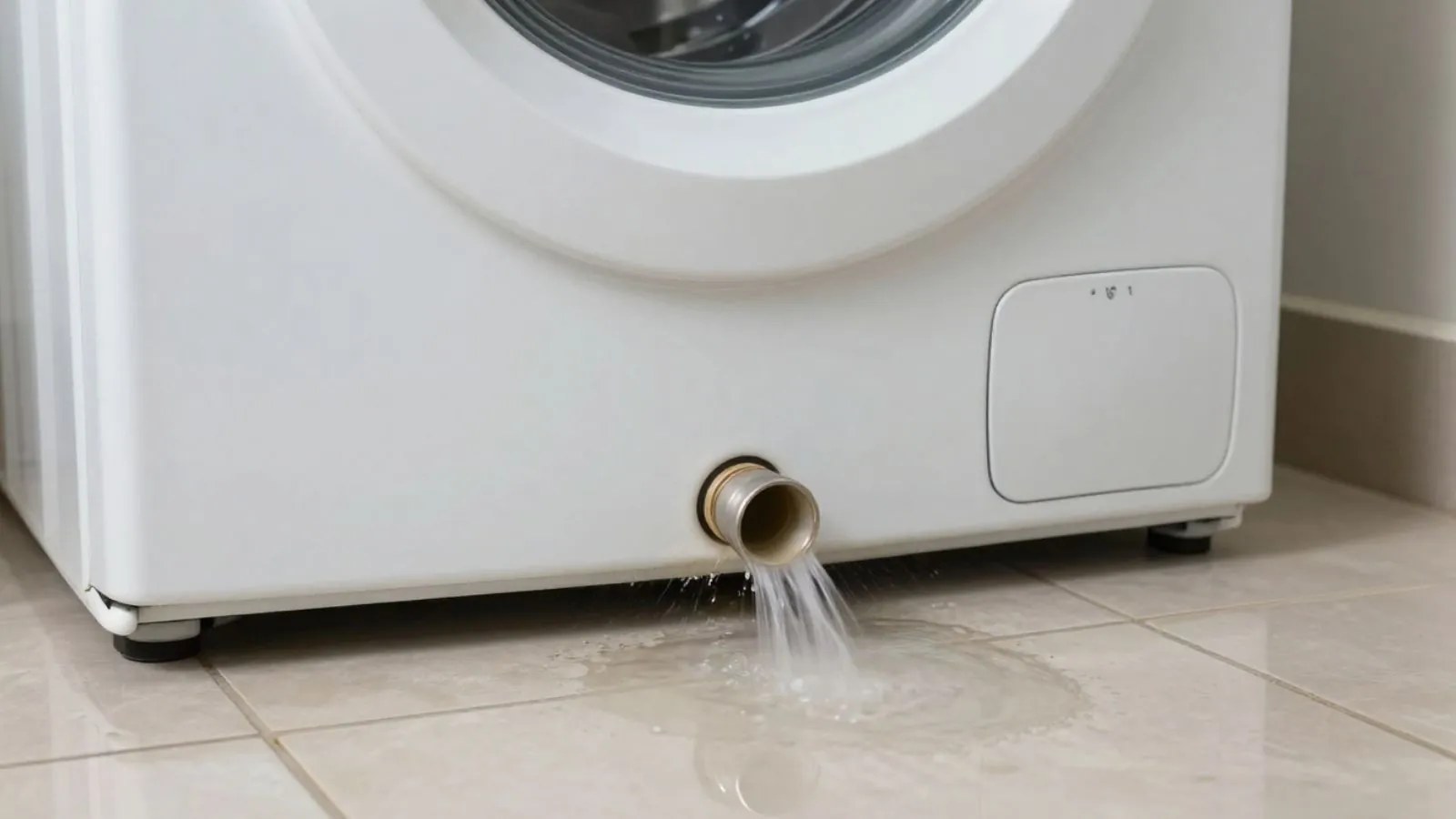
| Wet appliance such as a washer or fridge | Unplug only if the cord and outlet are dry | Appliance technician. |
| Water in a ceiling light or fan | Turn off the breaker and stay clear | Electrician. |
| Wet power strip or extension cord | Unplug from a dry outlet and discard | None. |
| Smell of burning or sparks | Leave the area and call 911 | Fire department. |
If you are not sure whether a situation is safe, treat it as unsafe and call someone qualified. We work with electricians when a job needs one, and we will not set equipment in a space where power is not safe.
How to treat small wet electronics
- Power the device off and unplug it, and remove the battery if you can do so easily.
- Do not turn it on to check, since power can short wet circuitry.
- Wipe the outside gently with a dry cloth.
- Let it sit in a dry, ventilated place, not near a heat source.
- Contact the manufacturer or a repair shop, and do not rely on rice or a hair dryer.
Water that has dried can leave residue and corrosion that causes problems later. The sooner a technician opens the device, the better the chance of saving the data. Back up what you can once the device is safe.
Outlets, switches and wiring after a leak
Outlets and switches that have been wet may have corroded or trapped moisture inside the box. They can fail later even if they work now. Ask an electrician to inspect any outlet or fixture that took on water before you turn the circuit back on.
A restoration crew dries the wall cavity around them using moisture readings and structural drying. We note which devices and circuits were exposed so the electrician knows where to look.
Have water damage right now?
Skip the reading and call. Dispatch answers 24/7.
After a flood or sewage event
Floodwater and sewage are contaminated, and appliances that sit in them should be treated as hazardous until checked. Do not plug in a refrigerator, freezer or furnace that took on floodwater. After a flood, let a qualified technician decide whether something can be repaired.
- Keep children and pets away from wet areas with cords.
- Never use a household vacuum to remove standing water.
- Use a generator only outdoors and away from windows.
- Do not use damaged cords, even if they look dry.
Power outages, generators and surge protection
Storms often bring both water and power loss. Unplug sensitive electronics when a storm is forecast, because surges can arrive when power returns. Surge protectors help but do not replace unplugging during severe weather.
- Run generators outdoors and well away from doors and windows.
- Never plug a generator into a wall outlet to power the house.
- Keep fuel stored safely and outside living space.
- Use battery lights instead of candles when you can.
- Wait for the all-clear before restoring power to wet areas.
Refrigerators, freezers and food after water or outages
A refrigerator that has sat in floodwater should be treated as unsafe until checked, and food that touched floodwater should be thrown out. Food in a closed fridge stays cold for only a few hours after a power loss. A freezer that stays closed holds temperature longer.
When in doubt, throw it out. Check food safety guidance from the USDA or your local health department, and photograph discarded food for your insurer if you plan to make a claim.
Documenting electronics for a claim
Take photos of each damaged device, including the model and serial number if you can see them. Note the age and the approximate purchase price. Keep the devices until your insurer has said they can be discarded.
Duxbury coastal flooding and electronics
The town's climate vulnerability assessment describes routine coastal flooding at lunar high tide and reports 423 flood claims totaling nearly $5.5 million. In low-lying areas, raise electronics, chargers and power strips off basement and ground-floor floors.
CBS Boston reported that the 2018 nor'easters damaged a seawall in Duxbury. Before a storm, move equipment such as computers, routers and entertainment systems to higher shelves and charge phones so you can call for help.
Residents of Kingston and Monponsett who live near ponds or tidal rivers can follow the same rules. Raise devices before wet weather, and keep a flashlight handy in case the power goes out.
Duxbury questions answered
Should I turn off the main breaker if my basement is flooding?
Only if the panel is dry and you can reach it without standing in water. If it is wet or you are unsure, stay out and call your utility or an electrician.
Can I save a wet laptop by drying it in rice?
Rice is not a reliable fix and can leave residue. Power it off, unplug it and take it to a repair shop as soon as you can.
Do I need an electrician after a Duxbury storm leak?
If water reached outlets, panels, fixtures or wiring, yes. A professional inspection is the safe step before restoring power.
Will my insurance cover wet electronics?
Sudden covered water damage may include personal property, but limits and exclusions apply. Check your policy and photograph each item.